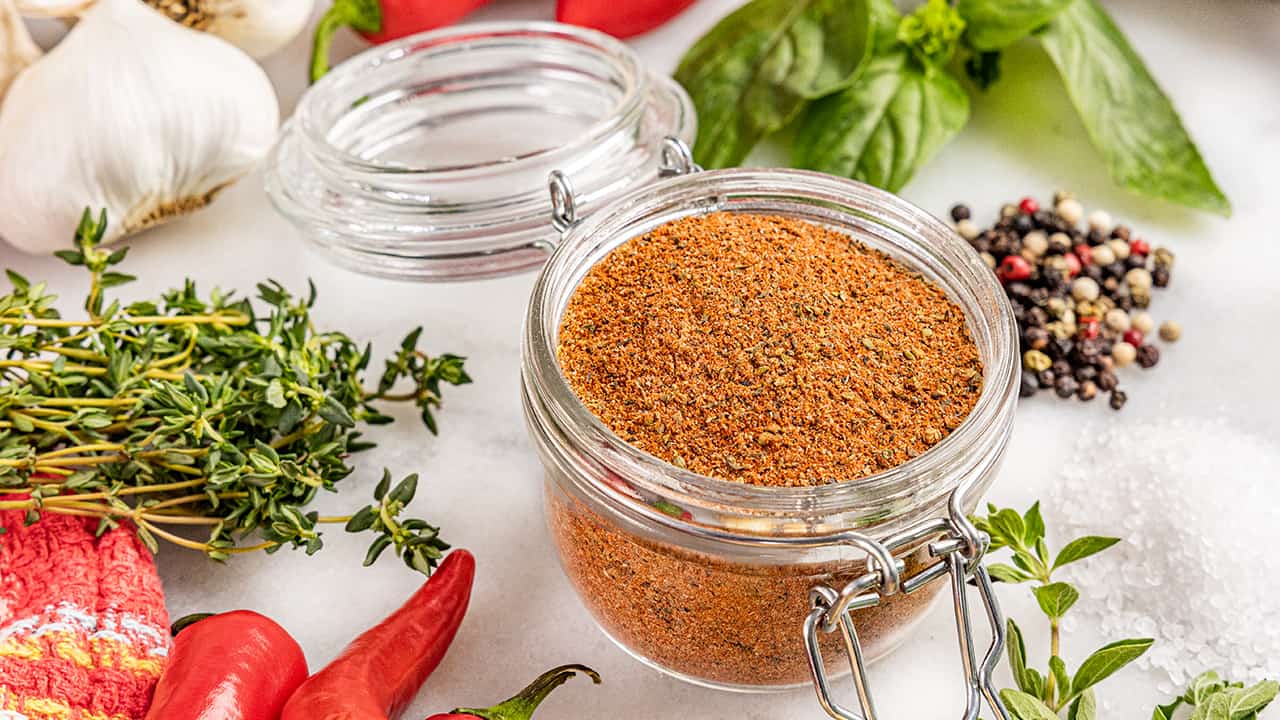
Easy Homemade Cajun Seasoning: Control Your Flavor
Imagine infusing every dish with the vibrant, smoky, and perfectly balanced heat of Louisiana. What if you could achieve this with a homemade spice blend that puts store-bought versions to shame? The truth is, crafting your own Best Homemade Cajun Seasoning: Spice Up Any Dish! isn't just possible, it's incredibly simple, taking mere minutes. This comprehensive guide will empower you to create a superior cajun seasoning recipe, giving you ultimate control over its flavor profile, from the salt content to the fiery kick.
Cajun cuisine is renowned for its bold, hearty flavors, and at its heart lies a well-balanced seasoning mix. This isn't just about adding heat; it's about layering savory, earthy, and aromatic notes that elevate everything from grilled chicken and fish to robust gumbos and vibrant roasted vegetables. Forget mystery ingredients and excessive sodium in commercial blends; with this easy cajun seasoning recipe, you're the chef and the spice master, tailoring every pinch to perfection. Get ready to embark on a flavorful adventure that will transform your kitchen.
Why Homemade Cajun Seasoning is Your Kitchen's Secret Weapon
The allure of a homemade cajun seasoning recipe extends far beyond just convenience; it’s about culinary empowerment. When you craft your own spice blends, you unlock a level of customization and quality that pre-packaged alternatives simply can't match. Here’s why making your own is a game-changer:
- Unparalleled Flavor Control: This is arguably the biggest benefit. Store-bought blends often come loaded with salt and can have an unbalanced spice ratio. With your own recipe, you dictate the amount of salt, the intensity of the heat, and the precise balance of herbs. Want it smokier? Add more smoked paprika. Craving extra garlic? Go for it! This level of control means your seasoning perfectly complements your palate and the specific dish you're preparing.
- Fresher, More Potent Spices: Spices lose their potency over time. By mixing your own in smaller batches, you're likely using fresher, more aromatic ingredients from your pantry. The difference in flavor between a freshly ground and blended spice mix versus one that's been sitting on a store shelf for months is astonishing.
- No Unwanted Additives: Many commercial seasonings contain anti-caking agents, preservatives, or even artificial flavors. When you make your own, you know exactly what’s going into your food – pure, unadulterated spices. This transparency is invaluable for those with dietary restrictions or anyone looking for cleaner eating.
- Cost-Effective Cooking: While the initial investment in individual spices might seem higher, buying them in bulk and blending your own frequently proves more economical in the long run. A batch of homemade seasoning costs pennies per use compared to premium store-bought options.
- Versatility Beyond Belief: This isn't just a one-trick pony. Your homemade Cajun seasoning works wonders as a rub for meats, a sprinkle for eggs, a kick for roasted potatoes, or the base for a rich pasta sauce. Its adaptability makes it an indispensable pantry staple.
- The Joy of Creation: There's immense satisfaction in creating something delicious from scratch. The ritual of measuring, blending, and smelling the intoxicating aroma of your freshly made Craft a Perfect Cajun Spice Blend in Under 5 Minutes adds a mindful, personal touch to your cooking.
Crafting Your Perfect Cajun Seasoning Recipe: The Essential Ingredients
The beauty of a great cajun seasoning recipe lies in its simplicity. You don't need exotic spices; just a handful of common pantry staples expertly blended. The magic happens when these individual flavors harmonize to create something greater than the sum of their parts. Here's a breakdown of the core ingredients and their roles, along with a foundational recipe to get you started.
The Core Blend
This balanced blend forms the backbone of your homemade Cajun seasoning. We'll provide specific measurements for a starting point, but remember, these are just guidelines – feel free to adjust to your personal taste!
- Paprika (2 tablespoons): This is your foundational flavor. While sweet paprika works, smoked paprika is highly recommended for that signature deep, smoky undertone that truly defines Cajun cuisine. It provides a rich color and complex base flavor without adding heat.
- Garlic Powder (1 teaspoon): Essential for savory depth. Garlic is a non-negotiable in Cajun cooking, and the powdered form ensures even distribution throughout your blend.
- Onion Powder (1 teaspoon): A close cousin to garlic powder, onion powder enhances the overall savory profile, adding a subtle sweetness and aromatic backbone.
- Dried Oregano (1 teaspoon): Earthy and slightly peppery, oregano provides a classic herbal note that's characteristic of Cajun and Creole blends.
- Dried Thyme (1 teaspoon): With its subtle floral and minty undertones, thyme adds another layer of herbaceous complexity that complements the other spices beautifully.
- Cayenne Pepper (1 teaspoon): This is where the heat comes from! One teaspoon provides a noticeable, but not overwhelming, kick for most palates. This is your primary lever for adjusting spiciness – reduce for a gentler blend, or increase for a fiery punch.
- Ground Black Pepper (½ teaspoon): Provides a sharp, pungent bite that adds depth and another layer of warmth. Freshly ground black pepper will offer the most aroma and flavor.
- Salt (1 teaspoon, optional): Many prefer to keep their spice blends salt-free to control the sodium in individual dishes. However, including salt in the blend ensures the seasoning is ready-to-use for most applications. If you do include it, use fine-grain salt for even mixing.
Optional Enhancements & Flavor Tweaks
Once you've mastered the basic cajun seasoning recipe, you can begin to experiment with additions that personalize your blend even further:
- For Extra Smoky Fire: Replace a portion or all of the cayenne pepper with chipotle powder. Chipotle is smoked jalapeño, offering a unique, deep smokiness along with its heat.
- For a Smoother Finish: If you dislike the visual flecks of black pepper, or prefer a less sharp peppery note, substitute ground white pepper for black pepper.
- A Touch of Earthiness: A pinch of celery salt can add a subtle, savory depth that many traditional Southern blends include.
- A Hint of Sweetness: For certain applications, like rubs for pork or chicken, a teaspoon of brown sugar can balance the savory and spicy notes, creating a beautiful caramelized crust.
Mixing, Storing, and Maximizing Your Homemade Blend
Once you have your ingredients ready, the process of creating your cajun seasoning recipe is incredibly quick and satisfying. The goal is to ensure every component is thoroughly combined for a consistent flavor in every sprinkle.
The Mixing Process
- Gather Your Tools: You'll need a small mixing bowl and a spoon or whisk.
- Combine All Ingredients: Add all your chosen spices (paprika, garlic powder, onion powder, oregano, thyme, cayenne pepper, black pepper, and optional salt or other enhancements) into the bowl.
- Whisk Thoroughly: Stir or whisk vigorously for 1-2 minutes. The key here is to break up any clumps and ensure a completely uniform blend. You want every teaspoon of your seasoning to deliver the full spectrum of flavors. Keep whisking until the color is consistent throughout, with no pockets of individual spices visible.
- Aromatic Reward: As you mix, you'll notice the incredible aroma beginning to fill your kitchen – a true testament to the freshness and potency of your homemade blend.
Proper Storage for Longevity
Proper storage is crucial to maintain the potency and flavor of your homemade cajun seasoning recipe. Spices degrade when exposed to light, heat, air, and moisture.
- Airtight Container: Transfer your freshly mixed seasoning into an airtight container. Small glass jars with tight-fitting lids (like repurposed spice jars or small canning jars) are ideal.
- Cool, Dry, Dark Place: Store the container in a pantry or cupboard away from direct sunlight, heat sources (like the stove or oven), and excessive moisture.
- Shelf Life: Stored correctly, your homemade Cajun seasoning will remain fresh and potent for up to 6 months. While it won't necessarily "go bad" after this, its flavors will begin to diminish. For optimal taste, aim to use it within 3-4 months.
Unlocking a World of Flavor: Creative Ways to Use Your Cajun Seasoning
Your homemade cajun seasoning recipe isn't just a blend; it's a passport to an exciting culinary landscape. Its versatility means it can elevate countless dishes, bringing that signature Louisiana zest to your everyday cooking. Here are just a few ideas to get you started:
- Blackened Delights: This seasoning is tailor-made for blackening. Simply pat fish fillets (like cod, tilapia, or catfish) or chicken breasts dry, dredge them generously in the seasoning, and sear them in a screaming hot, cast-iron skillet with a touch of oil until a dark, flavorful crust forms.
- Grilled & Roasted Perfection: Rub it onto chicken, pork chops, steak, or shrimp before grilling or roasting for an incredible flavor boost. It also shines on roasted vegetables like potatoes, corn, bell peppers, or zucchini.
- Soups, Stews, & Gumbos: A spoonful or two is essential for authentic jambalaya, gumbo, or étouffée. It's also fantastic in simpler lentil soups or hearty vegetable stews, adding depth and warmth.
- Breakfast & Brunch Kick: Sprinkle it over scrambled eggs, omelets, or breakfast potatoes for an unexpected morning wake-up call. It's also a fantastic addition to the rim of a Bloody Mary glass!
- Snack Enhancer: Toss popcorn with melted butter and a sprinkle of Cajun seasoning for a spicy twist. It's also great on homemade potato chips, sweet potato fries, or even mixed into dips like hummus or sour cream.
- Pasta Power-Up: Incorporate it into creamy pasta sauces for a Cajun-inspired dish, or use it to season shrimp or chicken that will top your pasta.
- Marinades & Dressings: Whisk it into olive oil and vinegar for a zesty salad dressing, or mix it into yogurt or sour cream for a vibrant dip for veggies and chips.
While often used interchangeably, it's worth noting the subtle difference between Cajun and Creole seasoning. Generally, Cajun seasoning is drier and spicier, relying heavily on the pepper family (paprika, cayenne, black pepper), while Creole seasoning often includes more herbs and sometimes sweeter elements, reflecting the more cosmopolitan influences of New Orleans cuisine. For now, focus on mastering this powerful Cajun blend, and you'll open up a world of bold flavors!
Conclusion
Embracing this easy cajun seasoning recipe is more than just about making a spice blend; it's about taking control of your kitchen, infusing your meals with authentic, vibrant flavors, and experiencing the pure satisfaction of homemade cooking. From perfectly blackened fish to soulful gumbos and zesty roasted veggies, your homemade seasoning will become an indispensable part of your culinary repertoire. Say goodbye to bland, sodium-laden store-bought versions and hello to a world where every dish bursts with personalized, Louisiana-inspired deliciousness. So, gather your spices, get mixing, and prepare to elevate your cooking to new, exciting heights!
